Written Aug. 1, 2026
In some ways, the economy and stock market in 2026 remind me of last year. We saw volatility in the first half of the year, driven by geopolitical events (tariffs in 2025, the Iran conflict in 2026), but the markets came roaring back.
We have seen a significant strengthening of the economy this year. This has driven a rally not just in technology companies but also through a broadening of the market, with gains in more economically sensitive stocks such as small caps, industrials and financials.
Looking ahead to the rest of 2026, I see several factors at play for markets and the economy.
Employment
After a slow start in the first quarter (and some murky data due to the effects of the government shutdown), job reports for April, May and June were solid, with healthy job creation and historically low unemployment. Employment matters, because when people can find good jobs, they are generally better able to manage other economic pressures. However, we continue to watch long-term unemployment and the number of people working part-time because they cannot find full-time work.
Inflation
Inflation also has improved recently, though it remains above the Federal Reserve’s 2% target. Energy prices have kept costs elevated, and real wages (wages after the effects of inflation) were recently negative after having been positive since 2023. Following the Supreme Court’s decision in February, there has been a rollback in tariffs (though some are being reimposed under other statutes), which helped keep goods inflation in check.
Consumer sentiment
Despite a solid and strengthening economy, consumer sentiment is near all-time lows. Some weakness in sentiment is likely due to political polarization, but an important factor is the long-term effects of five years of elevated inflation. While real wages have improved in recent years, consumers’ purchasing power after inflation is below the pre-COVID trend, and what people are feeling shows up in consumer confidence surveys.
The Federal Reserve
New Fed Chair Kevin Warsh brings a different policy approach and communication style. He favors a smaller Fed footprint, including reducing the Fed’s balance sheet over time. Chair Warsh also plans to communicate less and avoid “forward guidance” (indicating what rate decisions the Fed is likely to make in the future). A less communicative Fed could result in greater volatility around Fed meetings, but a greater reliance on markets could potentially reduce volatility over the long term.
Artificial intelligence
Finally, markets have been driven heavily by AI-related development and investments. It’s hard to comprehend just how much the economy has been driven by AI. GDP is expected to grow 2.2% this year, and almost half of that is from AI. While market performance has broadened significantly, AI companies still face pressure to turn those investments into revenue, and a misstep could drive volatility.
Preparing for market volatility
After four years of strong market performance, a correction—a decline of 10% or more—would not be unusual. We would view that as healthy, as a reset can help markets resume more stable growth.
Your financial advisor can help review your portfolio to ensure it remains aligned with your goals and risk tolerance. Our asset management team will continue monitoring the markets and economy closely to deliver value on behalf of our clients.
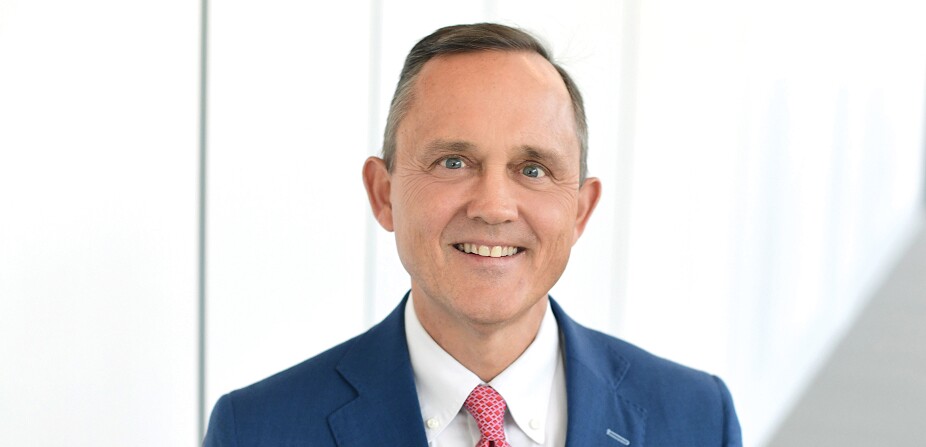
David Royal is executive vice president and chief financial & investment officer at Thrivent.
Thrivent Market & Economic Update set Oct. 13
Join a livestream at 11:30 a.m. CT on Oct. 13 for timely insights from Thrivent leaders on what current trends might mean for you.