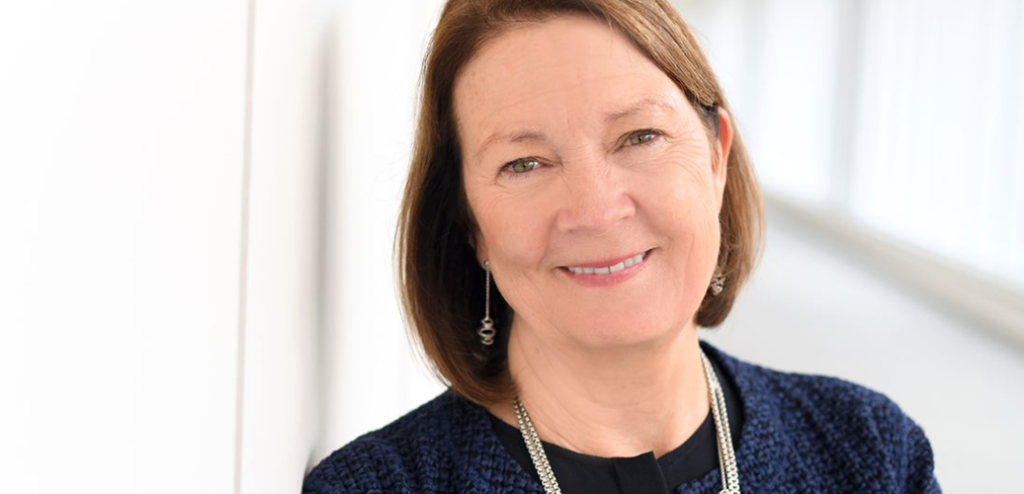
Susan Fekety always built her life around independence. She built a legal career, a home in Austin, Texas, and now a retirement shaped by self-reliance. At 79, Susan isn’t slowing down as much as she’s steadily adapting.
“That’s what aging independently is: doing things myself as much as I can,” Susan says. “I’ve tried to take care of myself so that I could live independently as long as possible.”
Irene Chiang’s path looks different. After decades of navigating life with her late husband, David, she’s learning what it means to make decisions on her own again. Irene, also from Austin, Texas, has two supportive adult children, but she’s still adjusting to a solo life.
“I was happy to fulfill his last wish,” Irene says of bringing her husband home from hospice just days before he died in 2021, “but everything changed so quickly. I thought we’d have more time together.”
Susan and Irene took different paths to get to where they are now, but the questions they face are the same: Who steps in if something happens? Who notices if something changes? How do you plan for what’s ahead when you’re the one responsible for every decision?
More Americans are having to ask themselves these questions. Today, 21% of U.S. adults age 50 and older—24 million people—live alone, according to
Here’s advice from both clients and Thrivent financial advisors on how to prepare.
Start earlier than you think
Susan didn’t get to this stage in her life by chance. It took decades of preparation and consistent habits. Raised by frugal parents, she learned early to “save her pennies,” she says. She worked for the same employer, the State of Texas, for 40 years and had the opportunity to build a pension. She designed a home she could age in. And she prioritized her health.
“One of the decisions I’ve made through much of my life is to take care of my body—to eat right and to exercise,” says Susan, who regularly goes to the gym and keeps an active routine. “You read those articles about how to age well. It’s just very boring advice, but it’s true.”
Irene and her late husband David had plans in place, too. But when he was diagnosed with pancreatic cancer just days after his first symptoms, Irene realized how quickly plans could be tested.
“My main concern beyond caring for him was our financial situation,” says Irene, who managed the family finances. “I knew I wouldn’t be destitute, but I needed help organizing everything. Within weeks of his diagnosis, we met with a financial advisor to make a plan.”
For many people, planning doesn’t start until something forces it, says Stephen Miller, Thrivent wealth advisor with Advocate Wealth Advisors in Land O’ Lakes, Florida. That can come at a cost—emotionally, but also financially.
“Especially as you start closing in on retirement, those final working years can be pivotal financially, especially for
Prepare for what’s ahead by using these resources
Make a personalized plan: Connect with a
Add a trusted contact: Complete an
Start your estate plan: Take the first step with
Plan for extended care:
Consider trust services: In addition to trusts,
Be realistic about aging at home
Even with preparation, aging independently isn’t always simple, and it often requires facing some hard truths. One of the biggest: where and how you’ll live.
Susan is quick to admit she’s not a fan of senior living communities. “The longer I can put that off, the better,” she says.
Seventeen years ago, she built a house in a compound created by friends in the middle of Austin. Today, six houses share the land, and all the homeowners have become friends.
“We live independently but together, in a way,” Susan says. “We each have our own home, but we can rely on each other to help when needed.”
Still, Susan is realistic. She knows she may someday need home health care or to move into a long-term care facility, and she has created a written strategy for extended care for that.
Irene also is thinking proactively about where she’ll live as she ages. It wasn’t something she had given much thought to until five years ago, but now it’s never far from her mind. She values her independence, but she’s also realistic about future needs.
“My plan is to find a home we can share,” she says of a potential multigenerational setup with her daughter. “However, the one thing that concerns me is knowing how much a nursing home or independent care living will cost some day if I need it. It’s astronomical. These are the things that keep me up at night.”
The housing decision is one of the biggest challenges for people aging solo, says Melissa Knippa, Thrivent wealth advisor with Arbors Financial Group in Austin, Texas, who works with both Susan and Irene.
“Yet the worst thing that any of us can do is stay in our house too long,” she says. “While aging in place is a common goal, it’s not always the safest or healthiest option.”
Plan for what-if scenarios
Planning isn’t about predicting the future. It’s about being ready for multiple versions of it.
“It’s important to think through how to address the unexpected in both health and wealth,” Knippa says. “If we’ve already thought about difficult scenarios, it helps mitigate the panic and uncertainty.”
It’s important to think through how to address the unexpected in both health and wealth. If we’ve already thought about difficult scenarios, it helps mitigate the panic and uncertainty.
That preparation starts with putting
“Many people overlook this side of planning until it becomes urgent, especially when it comes to who will make decisions if there’s cognitive decline,” Miller says.
For Irene, that urgency came quickly. “We had wills and medical powers of attorney in place,” she says. “It helped a lot. It felt good having it in place.” After her husband’s death, she updated all her documents with her attorney and made sure her children understood her plans. She knows that as life changes, they might need to be updated again.
Susan has taken a similar approach, putting plans in place early and refining them over time. She recently designated an aging life care management organization, Mir Care Consultants, to serve as her agent under her medical power of attorney. This type of company provides services that can include planning, checking in periodically, communicating with doctors, and arranging in-home care or other living arrangements.
Susan has also updated her
As Knippa puts it: “You need a plan and a couple of trustworthy humans who know where the binder with all the information is.”

Build your support system
Aging independently doesn’t mean doing everything alone. One of the most important, and difficult, decisions you’ll have to make is deciding who will step in when you can’t.
“Who’s going to walk alongside you in the decision-making process?” Miller asks. “Who takes you to the hospital, and picks you up, if you need surgery or have an accident? For someone aging solo, that support system doesn’t just exist. You have to intentionally build it.”
A support system can look different for everyone. It can be a trusted friend, a family member, a financial advisor or even a professional who helps coordinate care.
Susan has built both formal and informal support. She has an option to contract for services such as rides or chores for a low monthly fee, but she also has a built-in community in her neighborhood and at the gym.
Irene leans on both family and community. Her son and his wife live with her, and her daughter and her husband are nearby. “I’m grateful I’m not alone,” she says. “They’re always there if I need them.”
At the same time, she’s intentional about maintaining independence. “It’s a fine line,” Irene says. “I don’t want to become a burden. I know they have their own lives. Not having that partner anymore is difficult, but I can do this.”
Stay open to what’s next
For Susan, all of this planning—financial, physical and practical—adds up to something powerful: confidence. “I have confidence because I have a decent nest egg and I’m relatively healthy and fit,” she says. “I have no regrets.”
At the same time, she doesn’t assume certainty. “I’m just hoping to make it to the end of my days with my mind and with the ability to keep moving on my own.”
Irene is focused on continuing to live fully, even with the challenges. “Anybody can do this,” she says. “And if you need help—from family, your church or a financial professional—ask for it.”
Planning for later life on your own isn’t about fear. It’s about clarity. As Knippa says, “Sometimes we need to ask hard questions to help plan for a better future.”
Susan’s advice to others? Take care of your health. Build relationships. Stay connected.
“Get yourself in as good of physical shape as you can,” she says. “If you’re a loner, push yourself to get out there. Make more friends. Indulge in what gives you happy tears. And remember how good it feels to help someone and let others feel that by helping you.”
Donna Hein is senior editor of Thrivent Magazine.
5 questions to ask about your plan for living independently
Thrivent Wealth Advisor Melissa Knippa recommends these questions to pressure-test your plan:
- Which legal documents do you have in place, and where are they stored?
- Whom have you chosen to step in if you can’t make financial or medical decisions?
- Do you know your current monthly fixed expenses?
- Do you have reliable income sources that cover those expenses?
- Have you documented what your next stage of life will look like if your needs change?